Scope and definitions for close-range diving around the 8.1 km radius
Defining the 8.1 km radius for coastal diving
From shore to horizon, a precise circle defines close-range exploration, an 8.1 km coastal belt where tides choreograph every dive. scuba diving within 8.1 km becomes more than geography; it is a discipline of rhythm and respect, where plan meets wonder.
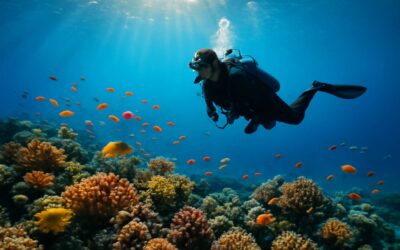
The radius centers on bounds: the nearshore zone from the waterline to about 20 meters, with habitats like rocky reefs, kelp forests, and sandy patches that shift with seasons. Currents vary, but the pulse remains manageable for confident diving.
- Geographic boundary: 8.1 km from shore
- Habitat mix: rocky reefs, kelp beds, sand flats
- Depth and conditions: typically 0–20 m, moderate currents, improving visibility when winds calm
In South Africa, this scoped domain reveals a spectrum of nearshore life, from kelp canopies to sunlit reef patches. The edge feels like a doorway—welcoming yet exact—and each dive opens with a respectful breath and a sense of stepping into a living map.
Why this radius matters for planning dives
Seven out of ten nearshore dives stay within 8.1 km of shore, and that proximity unlocks a mosaic of life along South Africa’s coastline. Scope here is the 0–20 m belt where weather and tides choreograph every dive, and the circle becomes a practical planning frame.
Habitats along this edge form a language of color and structure.
- Rocky reefs
- Kelp beds
- Sand flats
For divers, scuba diving within 8.1 km is a disciplined rhythm of timing and respect. Currents vary, but the pulse remains manageable for confident diving.
Typical constraints and opportunities near shore
That slim ring around the shore defines a theatre where wind and tide set the pace for every dive. The focus is tight: scuba diving within 8.1 km becomes a balance of timing, entry points, and the distance to shore that keeps the drama close.
Definitions of close-range diving within this band hinge on practical depth and exposure. Most sessions stay within the 0–20 m veil, where daylight threads through water and weather guides the pace without demanding heroic endurance.
Nearshore constraints and opportunities crystallize in everyday terms:
- Short access from beaches means quick turnovers.
- Currents vary but stay manageable in short windows.
- Shallow topography and color tell a story.
Read the coast through this lens and the nearshore becomes a living map—accessible, dynamic, demanding of respect. That pace clarifies why this close-range approach earns its own tempo—compact, intimate, and humbling.
Top dive sites within 8.1 km of popular coastal hubs
Nearshore reef itineraries within 8.1 km
“The ocean writes its best stories within a stone’s throw of the shore,” a Cape Town diver likes to say. In this belt of coast, top dive sites flourish within 8.1 km of popular hubs, where sunlight laces reefs and reveals a chorus of reef fish. This is the realm of scuba diving within 8.1 km—a compact stage where accessibility sows surprise and depth coexists with daylight.
Nearshore reef itineraries carve gentle channels and gullies, offering intimate scenes long after the tanks are rinsed. I’ve watched dawn pale the water and felt the city’s pulse slow as the reef reveals its patient stories.
- reef crest drift along sunlit ledges
- kelp forest meander among swaying sea fans
- littoral wrecks that whisper of maritime history
These micro-adventures bind coast and community, inviting reflection on what it means to dive close to home while the ocean keeps its larger physics intact.
Wreck dives within an 8.1 km radius
Within 8.1 km of Cape Town’s busy coastal hubs, wrecked stories lie just beneath the surface, waiting for a listening dive. Dawn reveals three distinct wrecks, quiet time capsules bathed in salt and sunlight, inviting curiosity and quiet awe.
- Sunken coastal steamer resting on a sunlit ledge, perfect for steady, shallow explorations
- Timbered fishing boat encrusted with kelp and small glassfish that shimmer in the current
- Rusting harbor barge settled in a soft sand channel, home to resident octopuses
These top dive sites anchor the coast, offering accessible wrecks and macro life, maintaining their mystery even as daylight fades. For scuba diving within 8.1 km, the nearshore wrecks promise a symphony of rust, reef, and history.
Cavern and swim-throughs near shore
Cradled by Cape Town’s nearshore blues, cavern and swim-through dives unfold like liquid cathedrals just beyond the shore. Within 8.1 km of popular coastal hubs—Cavern and the nearby swim-throughs—light fractures through limestone, guiding divers through secret passages where silence is broken only by bubbles and reef life. These top sites invite a tactile sense of discovery, with every bend revealing a hidden corridor or sunlit chamber.
- Underwater arches and buoyant drifts that reward precise trim and slow, meditative motion
- Macro life: shy critters, glassfish, shrimp, nudibranchs that glow in torchlight
- Nearshore caves with stable exits and gentle currents, ideal for relaxed, exploratory swims
From shore to crystal walls, these top dive sites deliver color, texture, and mystery for scuba diving within 8.1 km—a signature South African coastline experience.
Night dives around coastal zones within 8.1 km
Within a brisk 8.1 km of Cape Town’s lively coast, top dive sites unfold like underwater cathedrals—limestone arches, reef corridors, and sunlit chambers awaiting careful trim. This is where the sea becomes intimate; scuba diving within 8.1 km turns a routine dive into a whispered exchange with color and life in the margins. I keep returning to these walls for the way light skitters across the reef.
Night dives around coastal zones within 8.1 km reveal a different palette and mood.
- Phosphorescent plankton tracing lines along limestone arches as you drift.
- Glassfish and shy critters gliding through dim corridors, catching torchlight in synchronized flashes.
- Nudibranchs and shrimp turning reef walls into a moving constellation.
Whether dawn or dusk, these sites offer texture and rhythm—every descent a page in a coastal atlas of color and motion. It’s a theatre, and you’re invited.
Safety planning and regulations for dives in close proximity
Permits and access rules near shore within 8.1 km
Rules are the diver’s quiet breath. In South Africa’s nearshore waters, a dive within 8.1 km of the shore unfolds inside a lattice of safety planning and regulations. The sea rewards preparation, humility, and a steady, mindful pace.
Permits and access rules near shore govern where exploration is welcome. Protected reefs, wreck sites, and MPAs often require permits from the relevant authority, with penalties for misstep. Shore access is shaped by zones and local guidelines that honor wildlife and people.
In practice, several elements define access near shore:
- Permits for MPAs and protected reefs
- Access zones and seasonal restrictions near shore
- Respect for boundaries and reporting obligations
Safety planning for scuba diving within 8.1 km is less a checklist and more a code—anticipation, respect, and adaptive thinking in dialogue with the coast. The right balance preserves both discovery and the life woven into these waters.
Local marine life hazards and mitigation
Nearshore water holds its breath close to shore—most incidents in this realm happen within 8.1 km of the coast, a reminder that preparation is not optional. For scuba diving within 8.1 km, safety planning becomes a quiet code: anticipate, respect, and move with the tide, listening for signs before you commit.
Local marine life hazards and mitigation reveal the ocean’s temper. From energetic reef dwellers to patient bottom residents, the coast asks for awareness, not bravado:
- Stingrays and jellyfish along shallow beds; approach with caution and stay above potential stinging zones.
- Reef fish and shy sharks; maintain distance and observe boundaries with a respectful heart.
- Sharp corals and rocky outcrops; use neutral buoyancy and deliberate, quiet movements.
Regulatory eyes and zones shape all contact with the nearshore. The sea rewards a patient, disciplined approach that honors both life and learning.
Emergency procedures and surface support near coastal areas
In the line where the sea kisses the shore, safety planning becomes a quiet ritual. For scuba diving within 8.1 km, the tide tells the truth and the margin for error narrows with every breath. A seasoned instructor once whispered: “Respect the nearshore—it’s a living map you read with your heart.”
Regulatory eyes and site rules shape every contact with South Africa’s coast. Operators verify permits, buoyancy standards, and buddy protocols before entry, keeping coastal zones protected and the dive experience purposeful.
- Pre-dive emergency plan with surface support
- Deploy a surface marker buoy and keep it visible
- Know local emergency numbers and rescue contacts
- Maintain clear buddy and boat/shore communication
With discipline in planning and respect for local rules, scuba diving within 8.1 km becomes a measured, rewarding pursuit rather than a reckless plunge.
Boat traffic, anchoring, and dive boat etiquette near 8.1 km zones
Waters near busy shorelines pulse with motion; in peak season, dozens of vessels thread the same corridor hourly, turning a simple dive into a test of judgment. “Read the water like a living map,” a veteran instructor whispered, and the coast listens back.
Safety planning rests on traffic lanes, anchoring rules, and disciplined compliance. SA coastal regulations require awareness of entry points, dive flags, and coordination with the boat operator before any descent.
- Pre-dive coordination with the dive boat skipper and surface support—agree on entry points and hand signals.
- Deploy a bright surface marker buoy and keep it within the skipper’s line of sight at all times.
- Transit along established traffic lanes, avoid anchoring in active zones, and respect wake and speed limits near 8.1 km zones.
For scuba diving within 8.1 km, these protocols shape the experience into a measured, respectful ritual rather than a reckless plunge.
Gear, training, and best practices for nearby dives
Essential equipment for 8.1 km range dives
Coastal South Africa reveals a spectrum of life just offshore; on good days, visibility around 15 to 25 meters lights kelp forests and reef life.
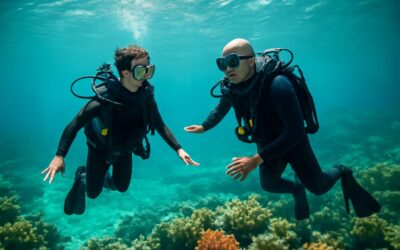
For scuba diving within 8.1 km, gear blends reliability with comfort. Essential equipment includes a solid regulator, a snug BCD, a dependable dive computer, a mask and fins, and an adaptable exposure suit with a compact light. A surface marker buoy and a small toolkit complete the kit.
- Mask, fins, snorkel system
- Regulator and octopus with spare
- Buoyancy control device with weights
- Depth computer for profiles
- Exposure suit for SA waters
- SMB/DSMB and signaling gear
Training focuses on buoyancy, navigation, and reef etiquette, with emphasis on currents and limited visibility common nearshore.
Best practices unfold as a balanced dance of planning, buddy awareness, and respectful interaction with the coast’s living theatre—scuba diving within 8.1 km remains part of that story.
Training paths for close-range exploration
“Preparation keeps the reef alive,” a veteran SA instructor reminds, as coastline winds test every decision. In nearshore dives, mystery thins when gear is uncertain.
For scuba diving within 8.1 km, gear blends reliability with comfort. Core kit priorities: regulator, snug BCD, dependable dive computer, mask and fins, adaptable exposure suit with a compact light. SMB and toolkit complete the setup.
- Mask, fins, snorkel
- Regulator and octopus with spare
- BCD with weights
- Depth computer
- Exposure suit with light
- SMB/DSMB and signaling gear
Training paths for close-range exploration target buoyancy, navigation, and reef etiquette, with currents and limited visibility as constant variables near shore.
- Buoyancy mastery for accurate depth control
- Natural-navigation skills in low visibility
- Respectful reef interaction
Best practices unfold as planning, buddy awareness, and respectful contact with the coast’s living theatre—clear, deliberate, and mindful of currents around 8.1 km.
Current, tides, and sea conditions near shore
For scuba diving within 8.1 km, gear must blend reliability with comfort. I’ve learned to read the swell like a heartbeat—nearshore conditions flip in minutes. A solid core kit keeps you protected as you explore South Africa’s nearshore reefs’ living theatre.
- Mask, fins, snorkel
- Regulator and octopus with spare
- BCD with weights
- Depth computer
- Exposure suit with light
- SMB/DSMB and signaling gear
Training paths for close-range exploration target buoyancy mastery for accurate depth control, natural navigation in low visibility, and reef etiquette, with currents and limited visibility as constant variables near shore. The aim is confident, controlled movement rather than speed.
Best practices unfold as planning, buddy awareness, and respectful contact with the coast’s living theatre—clear, deliberate, mindful of currents around 8.1 km.
Seasonality, conditions, and conservation in nearshore waters
Best seasons for nearshore dives within 8.1 km
Chop or champagne—the nearshore South African coast keeps divers guessing. Seasonality is the reef’s metronome: calm mornings, then gusty afternoons, and currents that rearrange buoyancy like a prankster. For scuba diving within 8.1 km of shore, those glassy-water windows are treasure chests waiting to be opened. A veteran skipper calls it, ‘Seasonality writes the best underwater postcards.’
Here are the nearshore windows most likely to deliver smooth conditions within 8.1 km of shore:
- Spring to early summer: longer days, steady winds, gentle surge near sheltered bays.
- Autumn: stable conditions, clear water, vibrant life as plankton blooms settle.
- Winter at sheltered sites: cooler water, calmer moods, and excellent macro opportunities.
Conservation matters: respect fragile habitats, maintain buoyancy, and avoid touching life. Choose operators who follow local rules; scuba diving within 8.1 km can stay thriving for years.
Visibility, currents, and water temperature ranges
The sea keeps a calendar, and the nearshore South African coast answers in a chorus of glassy dawns, shifting swells, and currents that rearrange buoyancy like a sly joke. A veteran skipper calls it: seasonality writes the best underwater postcards.
Seasonal rhythms set the stage for smooth passages along the shore. Spring and autumn bring longer days and steadier winds, easing the reef’s tempo; winter at sheltered sites slows the water and invites patient macro encounters.
- Visibility: nearshore pockets often range from about 5 to 15 meters, depending on plankton and tides.
- Currents: generally light to moderate, with gusty pockets that remind you to respect buoyancy.
- Water temperature: typically 12–22°C across seasons, warmer in sheltered bays and cooler offshore mornings.
Conservation matters: respect fragile habitats, maintain buoyancy, and avoid touching life. Choose operators who follow local rules; scuba diving within 8.1 km can stay thriving for years.
Conservation tips for nearshore ecosystems
“Seasonality writes the best underwater postcards,” a veteran skipper often says, and the nearshore shores of South Africa echo his sentiment. For scuba diving within 8.1 km of the shore, the seasonal waltz of spring and autumn extends daylight and quiets winds, letting reef colors unfurl before winter tightens the sea.
Conditions drift with the calendar: dawns glow glassy and calm, currents keep buoyancy honest, and water temps swing between cool mornings offshore and warmer sheltered coves. The result is a choreography that rewards patient divers with macro life and intimate reef encounters.
Conservation threads through every stroke: respect fragile habitats, avoid contact, and maintain graceful buoyancy. Choose operators who follow local rules—if the nearshore waters remain a shared sanctuary, this coastline will keep welcoming divers for years.
Responsible diving and reef etiquette in proximity
“Seasonality writes the best underwater postcards,” a veteran skipper says, and nearshore South Africa proves him right. In spring and autumn, daylight stretches and winds ease, letting reef colours unfurl and macro life peek out before winter tightens the sea.
Conditions drift with the calendar: dawns glow glassy, currents cooperate with buoyancy, and water temps swing from cool offshore mornings to warmer sheltered coves. The result is a choreography that favors patient divers who linger long enough to spot shy critters and tiny nudibranchs between coral gardens.
Conservation threads through every stroke: respect fragile habitats, avoid contact, and maintain graceful buoyancy. Choose operators who follow local rules so the coastline stays a shared sanctuary for years to come. This is why divers who embrace reef etiquette and mindful planning make scuba diving within 8.1 km feel as effortless as a dolphin’s glide.


0 Comments