Overview of diving courses on the Gili Islands
Why choose a Gili Islands diving course
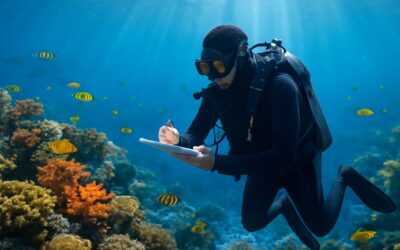
Under a tropical dawn, the Gili waters begin to whisper secrets. The diving course gili islands is more than a certification; it’s a rite of ignition for curious souls. The ocean is a patient teacher, and every bubble asks a question you’re ready to answer.
On the island, courses unfold in a straightforward arc, led by seasoned instructors who speak your language and your pace—perfect for South African divers seeking a warm escape. Consider these building blocks:
- Open Water Diver
- Advanced Open Water
- Rescue Diver
- Night Dive
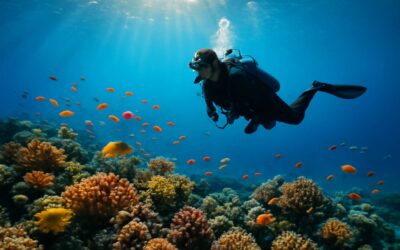
Why the Gili experience wins? Gentle currents, crystal coral gardens, and shore access that invites practice at dawn or dusk. For South African divers, the diving course gili islands offers a warm, efficient path to master the basics, and a divers’ community here feels like a shared vow to safety, curiosity, and wonder, all wrapped in turquoise light with a touch of the supernatural.
What beginners learn in a standard course
In the Gili Islands, dawn light softens the sea to glass, and visibility often stretches 15 to 20 meters—a perfect classroom at the edge of sleep. The diving course gili islands opens with steady breaths and patient instruction, a ritual more than a routine for beginners!
What beginners learn in a standard course is a measured arc of competence:
- Buoyancy control and balanced breathing
- Mask clearing and regulator recovery
- Buddy checks and safety procedures
- Underwater orientation and simple navigation
- Emergency preparedness and air-sharing basics
Under attentive guidance, the surface world recedes while curiosity takes its place, turning every bubble into a question answered with calm, deliberate motion.
Course duration, pacing, and scheduling
Across the dawn-kissed shores of the Gili Islands, a simple truth surfaces: most learners move from tentative breaths to confident dives in just a few days. A widely cited pattern in training circles suggests the core skills crystallize within three to four days when guidance is steady and pace is patient.
Within the diving course gili islands, scheduling is deliberately flexible to fit island time and sunlit windows. Expect 2 to 4 dives per day, with short theory bursts and ample breaks to let technique settle. From my experience guiding new divers, pacing and rest are as vital as the equipment.
- Open Water Diver: typically 3–4 days
- Junior Open Water/Discovery Dive options: 1–2 days
- Advanced courses and specialties: 2–3 days
This rhythm keeps curiosity alive and the sea welcoming!
Certification options and international standards
On the dawn-tinged shores of the Gili Islands, a striking statistic glints in the light: about 70% of first-timers complete certification within four days. The diving course gili islands landscape unfolds with calm, patient pacing and clear milestones, turning tentative breaths into confident dives. This rhythm respects the sea’s tempo and invites curious minds to trust what lies beneath!
Certification options align with international standards and cater to new divers and travelers alike. Expect open-water tracks and a spectrum of specialties on the Gili Islands, all built to balance skill, safety, and enjoyment.
- Open Water Diver (PADI/SSI)
- Junior Open Water
- Advanced/Open Water
- Specialty courses (Deep, Night, Navigation, Photography)
These credentials travel well, offering portability and recognition for South African divers exploring island waters and beyond.
Popular course options and formats
Open Water Diver and basic certification paths
Across SA and beyond, more than 60% of first-time divers say they’d choose the same program again after earning the Open Water Diver credential. The diving course gili islands blends patient instruction with a turquoise classroom, letting novices feel the reef’s whisper before they test their fins in open water. For South Africa-bound travelers, the pace feels like an elegant ocean-side coffee break—calm, reassuring, and surprisingly swift at yielding confidence.
- Open Water Diver — standard entry with theory, confined water, and four dives to 18 meters, widely recognized worldwide.
- Basic Scuba Diver — a shorter path for supervised diving, ideal for a gentle onboarding.
- Junior Open Water Diver — for younger adventurers, with age-based limits and a clear path to full certification.
Beyond labels, formats blend pool work with reef-side dives, ensuring skills grow naturally while the sea remains a patient tutor.
Advanced and specialty courses available
Popular course options and formats shape the learning on the diving course gili islands. We blend pool work with reef-side dives, letting skills settle before the sea tests them. The pace is steady, keeping South Africa-bound travelers confident and eager to dive more!
- Pool-to-reef progression
- Confined water sessions at calm sites
- Open-water dives at protected reef zones
Advanced and specialty courses expand horizons. Expect modules in night diving, deep and wreck adventures, and underwater photography. Our instructors tailor schedules to fit a busy itinerary while preserving reef-time and safety. The result is skilled, self-assured divers ready to explore beyond the basics.
Day trips versus full-course experiences
Learning to dive here is fast, focused, and surprisingly smooth. The diving course gili islands blends pool work with reef-time, letting skills settle before the sea tests them. The pace is steady, designed to keep South Africa-bound travelers confident and eager to dive more.
Popular formats split between day trips and full-course experiences. A day trip gives a taste—confined-water drills, one reef dive, and a basic skill check—without locking you in for days.
A full-course experience builds toward a certification, with theory, multiple open-water dives in protected zones, and flexible scheduling to suit a packed itinerary.
- Day-trip elements: confined-water practice, reef-ward dives, quick assessments
- Full-course elements: theory, multiple open-water dives, progressive certification
Either way, you’ll emerge with new expertise and a taste for more undersea adventures.
Private instruction versus group classes
Blue has a way of softening fear and sharpening ambition. A single pool session can unlock a lifetime of wonder, and an attentive instructor can turn hesitation into curiosity. The diving course gili islands blends private instruction with group encounters, shaping confidence at your pace as you meet the reef’s patience and the sea’s vast generosity!
Private instruction offers tailored pacing, one-on-one feedback, and the luxury of scheduling around a South Africa-bound traveler’s calendar.
- Private instruction: individualized coaching and flexibility
- Group classes: peer learning and shared cost
- Hybrid formats: theory with guided dives
Whichever path you choose, the experience is about presence—learning to breathe with the ocean rather than against it.
Practical planning: prerequisites, gear, and safety
Age, health, and skill prerequisites
Planning is where adventure begins. A diving course gili islands invites you to pair wonder with prudence, turning every reef encounter into a confident heartbeat. As one seasoned instructor notes, preparation unlocks safe immersion and brighter horizons. In this stage, age, health, and skill prerequisites set the rhythm, ensuring you can learn, breathe, and explore without compromise. For South African travelers, the warm currents and crystal clarity offer a welcoming stage for both first-timers and returning divers seeking new stories beneath the surface.
Gear and safety are the next chapters, especially on a diving course gili islands. Most operators provide key equipment, but you’ll often value a personal, well-fitting mask, fins, and a snorkel. Here are the essentials to check before you dive:
- Age and health prerequisites (minimum age, medical clearance where required)
- Gear expectations (what’s supplied vs. what you should bring, mask fit, exposure protection)
- Safety basics (pre-dive briefing, buddy system, emergency signals and ascent procedures)
Gear rental and essential equipment
Practical planning is the hinge between fantasy and descent. Prerequisites set the tempo: minimum age, medical clearance when required, and the quiet discipline to learn to breathe with the sea’s patient heartbeat. For a diving course gili islands, preparation becomes a shield and a lantern, turning curiosity into a confident drift beneath sunlit reefs. South African travelers will find warmth in the currents and clarity that makes the first touch of the water feel almost ceremonial.
Gear rental and essential equipment lay the groundwork for the day. Most operators provide the core kit, but a personal, well-fitting mask, fins, and a snorkel feel like heirlooms when the sea asks for trust. Check these essentials:
- What’s supplied vs. what you should bring (mask, fins, snorkel, exposure protection)
- Mask fit and a light wetsuit or rash guard for tropical waters
- Pre-dive safety briefing, buddy system, and standard ascent signals
Safety protocols and buddy system
The ocean doesn’t do last-minute heroics. For diving course gili islands, practical planning is your shield and lantern, turning curiosity into a confident drift beneath sunlit reefs. South African travelers know the value of a plan when winds and currents cooperate.
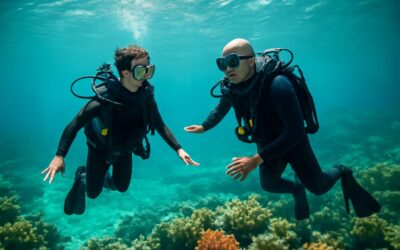
Prerequisites set the tempo: age, medical clearance when required, and the quiet discipline to breathe with the sea’s heartbeat. I’ve learned that a pre-dive safety briefing and buddy system lock in—signals for ascent and mutual reassurance.
Gear is the hinge between fantasy and descent.
- Core gear provided by operators; bring your own mask, fins, snorkel
- Light exposure protection for tropical waters
- Pre-dive safety briefing, buddy system, and ascent signals
With that, you’re ready to drift, safe and curious.
Insurance and emergency planning
“A smooth dive starts with a plan you can hold in your hands.” In the diving course gili islands, practical planning is your shield and lantern. South African travelers know when winds and currents align, a solid plan keeps curiosity turning into confident drift beneath sunlit reefs.
- Prerequisites: age, medical clearance when required, and the quiet discipline to breathe with the sea’s heartbeat.
- Gear: core gear provided by operators; bring your own mask, fins, snorkel; light exposure protection.
- Safety and emergency planning: pre-dive briefing, insurance coverage, emergency contacts, and evacuation procedures.
That disciplined preparation isn’t a cage; it’s a doorway to wonder, letting your drift be guided by confidence rather than nerves. With that, you’re ready to drift, safe and curious.
Choosing the right school on the Gili Islands
Accreditations and certifications to look for
Two-thirds of discerning South African divers admit they won’t book a school without credible accreditations. For a diving course gili islands, accreditations act as a passport, signaling safety standards and a consistent teaching framework rather than merely beachside bravado!
A suitable school wears its stamps with pride and offers a measured progression, reliable instructor oversight, and certificates that travel well beyond the shoreline. Look for endorsements from the following respected bodies:
- PADI
- SSI
- NAUI
- CMAS
A genuine operation will display logos on its site or in classrooms and provide clear evidence of qualified instructors, emergency planning, and well-maintained equipment. Also ask about local regulatory compliance and insurance coverage to seal the deal abroad and at home.
Equipment quality and dive center facilities
Sunlight spills over the Gili coast as you seek the right partner in your aquatic saga. The islands promise crystalline mornings, but the true magic lies in the school you trust with your breathing, buoyancy, and growing confidence. For a diving course gili islands, the right school acts as compass and anchor, turning tentative breaths into confident descents. Here, safety and storytelling walk hand in hand, guiding every flip of the fin.
Equipment quality and dive center facilities are the heartbeat of a memorable undersea chapter. Look for well-maintained regulators, BCDs, and masks, with current service logs and spare parts within reach. A clean prep area, functional rinse stations, and organized storage speak volumes about care and professionalism. On-site classrooms, shade, and visible emergency equipment sketch a scene of calm readiness.
- Visible maintenance logs and service records
- Reliable air fills and well-kept backups
- Rinse tanks, storage, and easily accessible safety gear
- Clear evacuation routes and on-site first aid
South African divers walking the pier of the Gili Islands will sense the quality of a center before the first breath, feeling the confluence of tides, gear, and guidance. The right facilities cradle you as you practice, and the atmosphere of meticulous care lingers long after the last bubble.
Customer reviews and safety records
In a world of reef dreams, the quiet verdict of customer reviews and safety records shapes the match for a diving course gili islands. South African divers walking the dolphin-colored shoreline sense the center’s ethos before the first breath—stories of patient instructors, transparent risk management, and consistent supervision echoing through the open-water classroom. Reviews aren’t vanity; they’re a map of trust, and safety records are the gravity that keeps every ascent grounded.
- Verified training credentials and current certifications
- Clear incident history and transparent safety procedures
- Consistent, compassionate instruction noted by past students
Ultimately, the right school blends reputational honesty with a calm, methodical approach to learning underwater—a harmony that turns cautious breaths into confident descents.
Location, accessibility, and near-shore access
On the Gili Islands, coastline calm and ferry schedules shape how divers choose a training base. A recent survey finds 85% of newcomers rate location and near-shore access as decisive factors, and the diving course gili islands should reflect that truth with beaches that invite practice and clear launching points. Accessibility here is not a luxury; it’s safety in rhythm and breath!
- Proximity to ferry terminals and dock access
- Walkable routes from hotels and guesthouses
- Calm, sheltered launch points ideal for beginners
From a South African perspective, easy transfers, friendly staff, and a walkable campus matter as much as reefs. Choose a school that treats the shore as a classroom and your time as a learning voyage rather than a checkbox.
Pricing, packages, and value for money
Pricing on the Gili Islands is a compass toward real value. For South African divers seeking a coastal escape, transparency matters as much as terrain; the diving course gili islands experience should publish total costs, not hidden add-ons. When invoices mirror the learning journey, price feels fair and trustworthy.
Value hides in how packages are structured. Seek all-in options that cover equipment, certification fees, and in-water sessions; favour small groups for personalised feedback; demand transparent terms with no surcharges and flexible scheduling.
- All-in packages covering gear and certification
- Small groups for personal attention
- Transparent, inclusive pricing
Beyond numbers, the right school treats the shore as a classroom, turning time into a learning voyage rather than a checkbox.

0 Comments