Comprehensive Scuba Diving Basics Outline
Essential Gear, Skills, and Safety
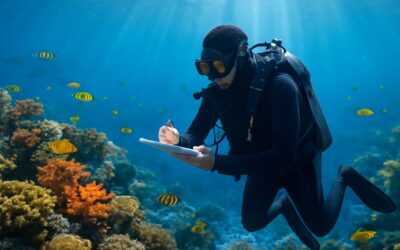
In scuba diving 101, breath becomes the metronome of your journey, and the ocean answers with quiet grandeur. The reef is a living classroom where buoyancy, visibility, and risk gently shape every move. I’ve learned that a patient breath unlocks confidence!
Comprehensive basics start with gear—essentials that enable calm, controlled exploration. The following are core items trusted by South Africa’s divers:
- Mask and snorkel
- Regulator and buoyancy compensator (BCD)
- Fins and a exposure suit
- Dive computer or depth gauge with a timer
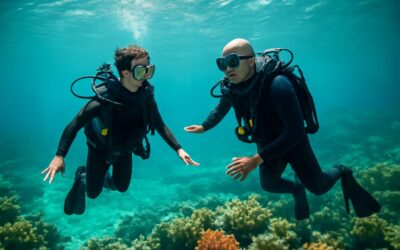
Skills and safety point to the same destination: confidence born of practice. Focus on buoyancy control, equalization, mask clearing, and air management, while maintaining a clear, practiced buddy line. Safety exists in rhythm and respect for currents and visibility.
Certification, Training, and Education
Sea-salted syllables greet the curious: certification isn’t a cloak of algebra, but a passport to the reef’s quiet majesty. A sharp remark from a veteran instructor—“the ocean is a patient tutor”—hung in the air as trainees clicked into masks and listened to the tide’s grammar. This is scuba diving 101, where theory elbows its way beside practical skill, and the sea rewards clarity with patience.
Comprehensive basics outline certification, training, and education with South Africa’s coastline as classroom sculpture. Think agency-backed theory, confined-water practice, and progressively challenging dives, all designed to cultivate calm under pressure.
- Foundational theory and confined-water skills
- Open Water certification through a recognized agency
- Continuing education and specialty courses
Within this framework, the learner’s journey becomes an art of progression, buoyed by ethics, buddy discipline, and a respect for currents. Across SA’s dive-friendly towns, certification paths are navigable, professional, and decidedly human.
Dive Planning, Safety, and Environment
Across South Africa’s coast, diving becomes a living atlas of life; 900 species share a reef within reach of breath. In scuba diving 101, beginners learn to listen to the ocean’s rhythm—the bubbles, the swell, the patient pull of the current. ‘The ocean is a patient tutor,’ a veteran instructor reminds, and calm curiosity is the guide.
Comprehensive dive planning, safety, and environment form a tapestry of awareness: reading water conditions, respecting the habitat, and staying attuned to the team. In SA classrooms and on the shore, theory blends with observation, shaping choices about where to explore and how to move through delicate reefs with quiet grace.
- Respect for currents
- Buddy discipline
- Leave-no-trace etiquette
From Cape Town to Durban, this approach lives in the towns, the boats, and the protected reserves, inviting divers to carry wonder without disturbing the sea’s memory.
Destinations, Travel, and Practical Tips
Across South Africa’s coast, 900 species share a reef within reach of breath, a living atlas you can enter by air and curiosity. scuba diving 101 invites you to read the ocean’s ledger, where each current writes its own line and every buoy marks a heartbeat.
When destinations call, think Cape Town’s cliff-backed kelp, Durban’s tropical pockets, and protected reserves along the garden coast. Travel embraces seasonal windows, biodiversity-rich zones, and the forged networks of local dive operators who steward the sea with care.
- Seasonal visibility and water temperature
- Permits, protected areas, and responsible access
- Guided networks that support conservation and reef-friendly practices
In the end, journeys become dialogues with the deep—an invitation to wander wisely and listen to the sea’s patient rhythm.


0 Comments