Popular scuba diving trip types
Liveaboard adventures
“The sea, once it casts its spell, holds one in its net of wonder forever.” On a liveaboard, that spell becomes itinerary, turning scuba diving trips into a tapestry of days where reefs reveal themselves on your schedule and mornings begin with the hush of the blue.
In South Africa, these journeys fuse dramatic pelagic encounters with intimate kelp forests, trading crowded shore dives for sustained immersion and a cadence that lingers after you surface.
Here are the elements that define the liveaboard experience:
- Extended itineraries that maximize dive time
- Uninterrupted access to remote reefs and reserves
- Small, seasoned groups guided by experts
- Onboard comforts that balance exploration with rest
Ultimately, these scuba diving trips become more than sport; they are a dialogue with the sea that stays with you long after you disembark.
Shore-based diving trips
Shore-based diving trips cast a spell of their own, where the harbor’s murmur becomes a doorway to the deep. In South Africa, the dawn-silvered coast reveals more secrets within reach than many far-flung charters promise. The sea offers a patient theatre: kelp forests sway like cathedral aisles, and reef walls whisper weathered lore. The call is intimate and alive—dives here feel like a contract with the sea, binding you to its tides.
Here are popular shore-based dive formats that anchor your scuba diving trips in a visceral, unforgettable way:
- Coastal reef and kelp forest dives from accessible shore towns
- Night dives along sheltered bays to reveal cryptic critters
- Macro muck and wreck-edge dives for patient photographers
- Drift dives along the shoreline’s shelves—graceful and heart-stopping
Each day arrives with the hush before the fin, and I linger like a shadow as I return to land.
Boat-based guided excursions
Boat-based guided excursions are the sparkling front door to South Africa’s underwater theatre. From sunrise decks near Cape Town to sheltered KwaZulu-Natal bays, these trips pair seasoned divemasters with sturdy boats, turning tides into reliable, story-worthy dives.
- Day trips from harbor towns with tailored dive profiles
- Wreck-and-reef combos that mix macro and drama
- Drift dives along kelp shelves for momentum and grace
- Flexible itineraries responsive to tides and weather
Book a boat-based guided excursion and the sea becomes a co-pilot in your itinerary for scuba diving trips—slick, surprising, and a little wry on the ride back to shore.
Adventure itineraries comparing trip formats
On South Africa’s coast, the most enduring memory is the itinerary itself—the sea choreographs every breath beneath. A seasoned divemaster offers this line: “The sea is a patient teacher.” Adventure itineraries turn scuba diving trips into poems of wake, reef, and quiet awe, where tempo guides visibility as surely as depth.
- Compact day campaigns with signature profiles for beginners and veterans alike
- Multi-day coastal circuits weaving reef, drift, and topography into one unfolding story
- Wreck-to-reef hybrids pairing macro moments with dramatic underwater landscapes
- Night-to-day transitions that reveal nocturnal critters and predawn shimmer
Flexibility defines the experience; the sea acts as a patient co-pilot, turning each dive into a lyric of motion and wonder. These formats invite pace, cadence, and discovery, offering something for every tide-born appetite.
Top destinations for memorable diving trips
Caribbean and tropical reef escapes
Sunlight pours through turquoise water, turning coral gardens into underwater stained glass. Caribbean reefs pulse with color and life, making scuba diving trips feel like stepping into a living postcard. “The reef is a living map,” says a veteran guide, “and every plunge writes a new page.” For South African travelers, these tropical splendors offer a luminous invitation to curiosity and wonder.
Among this constellation, a few destinations shine brightest:
- Belize — Barrier Reef and Turneffe Atoll
- Cayman Islands — Grand Cayman’s dramatic walls and flush of reef life
- Bonaire — protected, pristine reefs accessible from shore
- Cozumel, Mexico — drift dives along the Mesoamerican Reef
- Turks and Caicos — sunlit walls and turquoise lagoons
- Bahamas — Andros and Exuma for staggering clarity and macro opportunities
These scuba diving trips weave warm seas, cocoon-soft currents, and a sense of discovery into one unforgettable itinerary. Whether you are seeking macro marvels, reef walls that disappear into blue, or a drift that feels like flying, the Caribbean delivers.
Red Sea and Indian Ocean hotspots
Bold as a diving bell, the Red Sea and Indian Ocean deliver a staggering stage for scuba diving trips: visibility often clears to 30–40 meters, turning reefs into living screens and pinprick schools into constellations. Walls plunge into cobalt, wrecks whisper old sea stories, and currents carry you on a buoyant, floaty glide. For South African explorers craving warmth and reliable marine life, these itineraries offer a sunlit alternative with punchy wildlife and friendly access.
- Sharm El-Sheikh, Egypt
- Hurghada, Egypt
- Dahab, Egypt
- Maldives
- Seychelles
- Sri Lanka
From drift trails off Sharm El-Sheikh to the manta-rich lagoons of the Maldives and the sculpted reefs of Sri Lanka, each destination has its tempo. These Red Sea and Indian Ocean hotspots deliver memorable days beneath the surface, turning ordinary holidays into underwater fireworks—without the drama of crossing hemispheres.
Pacific rim coral gardens and mantas
Pacific Rim reefs offer an undersea festival that lingers long after you surface. A week of scuba diving trips can feel like a season of life under water, with coral gardens bursting in colour and mantas gliding past as patient, silver shadows. “The reef speaks in colour—you just have to listen,” a veteran guide likes to say.
Here are standout Pacific Rim destinations for memorable dives:
- Raja Ampat, Indonesia — dazzling coral gardens and biodiversity
- Yap, Micronesia — manta lagoons and drift-friendly channels
- Komodo National Park, Indonesia — sweeping currents, big pelagics, sculpted walls
- Palau, Palau — dramatic walls and iconic reef systems
From my experience, these scuba diving trips deliver a sense of scale you won’t forget. These trips suit South Africans craving warmth and wide biodiversity, offering a far-flung escape without months of planning. Whether you drift with mantas at Yap or explore coral cathedrals in Raja Ampat, the Pacific Rim rewrites the tropical holiday with underwater immediacy.
Mediterranean wrecks and macro diving
Mediterranean wrecks form a submerged archive where rust whispers history and macro life crowds every beam. These scuba diving trips reveal an intimate tempo—where patience and curiosity outpace adrenaline. For South African divers trading the Indian Ocean heat for cooler currents, Malta and Gozo offer a refreshing contrast: WWII wrecks like HMS Maori and Um El Faroud, while Sicily’s Ustica dazzles with macro-rich shores and crystal-clear walls.
Here are standout stops:
- Malta: HMS Maori and Um El Faroud wrecks
- Gozo and Ustica: macro-rich reefs and curious critters
- Croatia’s Adriatic coast: quiet wrecks and clear macro opportunities
These Mediterranean diversities reshape the holiday experience—timeless, patient, and deeply local, tuned to the sea’s own tempo.
Budget-friendly diving destinations
“Patience outperforms adrenaline,” a veteran guide likes to murmur, and it’s a creed I carry into every scuba diving trip I curate. The most memorable dives unfold in light, breath, and the careful chemistry between diver and reef—time as the sea’s true currency.
From budget-friendly shores to hidden frontiers, I’ve found three destinations that deliver depth without draining the wallet:
- Thailand’s Andaman coast—tide-smooth walls and macro surprises at tiny, quiet sites.
- Philippines’ Visayas—sheltered lagoons, affordable liveaboards, and teeming macro and reef life.
- Azores—kelp forests, dramatic drop-offs, and serene currents that reward patient divers.
These top destinations for memorable diving trips invite a slower tempo, where value and wonder cohabit the same breath. They’re not about cloud-painting adrenaline but about living the sea’s tempo—quiet, generous, and absolutely unforgettable.
Planning and safety for diving trips
Matching trips to certification levels
“The sea rewards planners, not bravado,” a veteran captain once said. When you book scuba diving trips, meticulous planning and safety become the hinge on which wonder swings. In South Africa, our coastlines offer temperate seas where conditions shift with the wind, and a thoughtful briefing makes all the difference.
Planning and safety aren’t afterthoughts; they’re the pre-dive map. From harbour to reef, consider essentials that travel with you:
- Medical clearance within a recent year and current fitness for diving
- Certification level matched to planned depths and environment
- Insurance with dive coverage and access to emergency oxygen
Matching trips to certification levels isn’t about labels but about sustainable joy. Operators align itineraries with Open Water, Advanced, or Rescue profiles, ensuring every dive stays within your training and the reef’s pace—curating safer, richer scuba diving trips.
Safety briefings and on-board protocols
“The sea rewards planners, not bravado.” In South Africa’s temperate waters, safety briefings set the rhythm before the first bubble breaks the surface. For scuba diving trips, the pre-dive map is the hinge where curiosity meets caution, and the captain’s talk becomes a quiet spell of clarity. A well-timed briefing turns a blue horizon into a shareable, patient wonder.
On-board protocols weave a tide of assurance through the voyage. The language is simple, the signals familiar, and every crew member knows their role. To keep wonder safe, consider these touchpoints that shape the day:
- Safety briefings with calm expectations and clear signals.
- On-board gear checks that support the buddy system.
- Ready access to emergency oxygen, practiced in quiet confidence.
Post-dive reflections seal the experience, leaving memory enriched and the reef breathing softly in return.
Emergency planning and travel insurance
The sea rewards planners, not bravado. In South Africa’s temperate waters, planning sets the rhythm before the first bubble breaks the surface. For scuba diving trips, meticulous planning becomes the compass where curiosity meets caution, and the captain’s talk anchors the day in quiet, precise language. Emergency planning is not a thrill-seeking afterthought; it is the ballast that lets wonder breathe. Travel insurance tailored for adventure ensures that a single missed flight or a medical requirement doesn’t rewrite a voyage.
- Comprehensive insurance coverage including medical evacuation
- Accessible medical history and emergency contacts
- Clear understanding of local evacuation options
With those elements in place, the ocean remains a teacher rather than a risk. The reef rewards those who carry a quiet, prepared mind.
Health considerations and travel tips for divers
Planning is the current that keeps the reef curious and the diver calm. In South Africa’s temperate seas, the moment the boat rocks, your map becomes the compass. “Preparation is the surface you ride toward every dive,” a veteran skipper likes to say, and the line lands with quiet certainty. For scuba diving trips along our coast, a tight pre-dive check turn risk into rhythm.
- Health, fitness, and medical history considerations in diving planning
- Hydration, sleep, and acclimation to local conditions such as thermoclines
- Access to emergency contacts and local evacuation options
Travel tips for divers hinge on pacing and gear stewardship. Pack a compact kit, log your dives, and respect currents and local regulations. Arrive rested, adapt to seasickness, and keep a flexible schedule to savor macro life and pelagics. The scuba diving trips experience feels calmer when preparation leads the way.
Seasonality and local conditions
Across South Africa’s coast, 7 in 10 divers report calmer trips when planning precedes the splash. The moment the boat rocks, a plan becomes the compass. In scuba diving trips along our shores, calm comes not from luck but from the quiet science of preparation. A solid overview—from weather whispers to reef etiquette—lets you read the sea without rushing the dive, and keeps safety as natural as breathing.
Seasonality and local conditions shape every window. Thermoclines and currents shift with the seasons, turning a gentle dive into a dance with the sea’s mood. Seek dates when seas are calmer and the marine life you crave reveals itself.
Access to emergency contacts and local evacuation options can feel like the quiet chorus of the voyage, ready when needed but easy to overlook. On every itinerary, that sense of security lets you lean into the wonder of scuba diving trips with confidence.
Gear, training, and conservation on diving trips
Essential gear checklist for trips
On scuba diving trips, the sea rewards preparation with clarity and wonder. “Preparation is the deepest dive you can take,” a seasoned skipper likes to say, and the wisdom lands as softly as a sunlit current. Gear, training, and conservation weave together into the voyage.
Gear is your second skin on a voyage into South Africa’s kelp forests and cobalt-blue reefs. A simple essential gear checklist for trips includes:
- Mask and snorkel
- Regulator and BCD
- Wetsuit or drysuit with proper protection
- Dive computer and depth gauge
- Fins and booties
- Compass and surface marker buoy
- SMB/DSMB and line cutter
- Waterproof dive light for deeper or murkier sites
Training seals the moment between curiosity and care. An action-ready sequence for every diver:
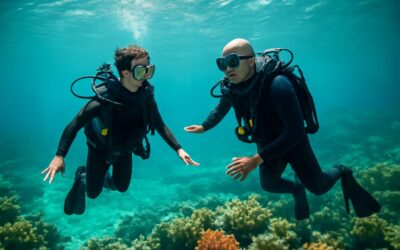
- Pre-dive briefing and buddy checks
- Local-condition review and dive plan
- Refresher if out of practice
- Conservation-minded skills, like buoyancy control and no-touch etiquette
Conservation on diving trips is not a garnish but the compass. Respect marine life, rinse gear, and use reef-safe sunscreen. Supporting local conservation efforts helps ensure that every South African coastline remains a wonder for scuba diving trips.
Underwater photography and videography tips on trips
“Preparation is the deepest dive you can take,” a seasoned skipper likes to say. On scuba diving trips, gear is your second skin, and for underwater photography, it can make or break the shot. A compact camera with rugged housing, reliable lighting, spare batteries, and memory cards turns scenes into story-ready images.
- Waterproof housing and lighting
- Spare batteries and memory cards
- Anti-fog and lens care
Training seals the moment between curiosity and care. In practice, pre-dive briefings and buddy checks set tone; Underwater photography and videography tips on trips rely on calm buoyancy and respectful proximity to marine life.
Conservation on diving trips is the compass. Respect for marine life, reef-safe sunscreen practices, and mindful gear care keep ecosystems intact. Supporting local conservation efforts helps ensure South Africa’s coast stays vibrant for future photographers and divers.
Sustainable travel practices and reef etiquette
On scuba diving trips, gear is a living tether to the deep. A rugged housing, dependable lights, and spare batteries become quiet promises to return with a story worth telling. In South Africa’s reefs, your setup must endure the voyage and earn the reef’s patient respect.
Training sets the line between curiosity and care. I listen to the sea’s breath during pre-dive briefings, and buddy checks, and buoyancy discipline turn moments into safe, memorable scenes.
Conservation guides the voyage. Embrace sustainable travel, reef etiquette, and local efforts so future scuba diving trips stay bright!
- Respect marine life: no touching
- Use reef-safe products
- Leave only bubbles, take memories
Leave no trace and marine life interaction guidelines
Gear on scuba diving trips is more than hardware; it’s a living tether to the deep. In South Africa’s reefs, a rugged housing, dependable lights, and spare batteries are lifelines, enduring currents, dust, and long journeys back to the surface with a story in tow.
Training sets the line between curiosity and care. Clear pre-dive briefings, thorough buddy checks, and buoyancy discipline turn risk into rhythm, transforming moments into safe, memorable scenes rather than statistics to recount later.
Conservation guides the voyage. Embrace sustainable travel and reef etiquette so future scuba diving trips stay bright; leave no trace, respect marine life, minimize waste, and choose reef-safe products.
- Respect marine life—no touching.
- Use reef-safe products.
- Leave no trace—take only memories.
Marine conservation volunteering opportunities during trips
“The sea, once it casts its spell, holds one in its net of wonder.” In South Africa, scuba diving trips hinge on gear that behaves like a trusted compass: rugged housing, dependable lights, spare batteries—enough to survive currents, dust, and long ascents with a story in tow.
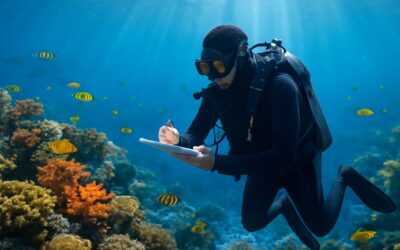
Training sets the line between curiosity and care. Clear pre-dive briefings, buddy checks, and buoyancy discipline turn risk into rhythm, turning moments into safe, memorable scenes rather than statistics to recount later. Conservation guides the voyage—embrace reef etiquette, minimize waste, and choose reef-safe products. During trips, marine conservation volunteering opportunities allow real impact: reef surveys, cleanup days, and citizen science data collection with local crews.
- reef surveys with local researchers
- beach and reef cleanup days
- citizen science data collection

0 Comments