18-Meter Depth Diving Essentials
Safety and Risk Management at Depths Around 18 meters
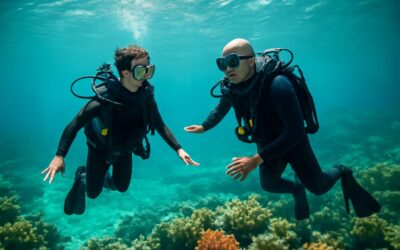
“The ocean doesn’t care about your plan,” a veteran mentor says. In scuba diving 18 meters, curiosity meets constraint, and safety stays constant. South Africa’s coastline offers vibrant reefs at this depth, where light fades and life moves with deliberate ease.
Risk management here hinges on awareness, restraint, and good buoyancy. Subtle shifts in current, gas use, and partner signals shape outcomes more than bravado.
Consider these focus areas at depth around 18 meters:
- Environmental conditions and visibility
- Communication with your buddy
- Gas balance and depth awareness
Respect for the reef turns risk into a disciplined mindset rather than a gamble.
Gear and Equipment for 18-meter Dives
“In the first 20 meters, you meet the ocean’s true tempo,” a veteran mentor once said. For scuba diving 18 meters, gear becomes not decoration but a discreet partner, guiding each glide through South Africa’s reefs.
The essentials span vision, breathing, buoyancy, and warmth, each chosen for reliability and timeless comfort.
- Mask, snorkel, and fins with a secure fit
- Buoyancy compensator device (BCD) with reliable lift
- Regulator with a trusted second stage and a dependable octopus
- Depth-aware dive computer and backup timing device
- Wetsuit or drysuit suitable to Cape waters and a compact dive light
Balanced, compact, and dependable, this kit translates the reef’s patient tempo into confident underwater movement, letting you listen to the water rather than fight it.
Planning and Certification for 18-Meter Range Dives
Depth is a stern teacher, and scuba diving 18 meters teaches through planning as much as breath. A veteran mentor still quips, “Plan your dive, dive your plan.” In South Africa, scuba diving 18 meters demands more than bravado; it demands a proper certification ladder.
Planning for 18-meter range dives blends training, fitness, and reef etiquette. Open Water, Advanced Open Water, and Rescue Diver tracks—plus local endorsements—frame readiness to explore the mid-water and ledges with due regard for currents and wildlife.
- Complete recognized certification tracks (Open Water, Advanced Open Water, Rescue Diver).
- Build depth exposure and buddy-based experience under supervision.
- Maintain up-to-date documentation with a reputable agency and logs.
In short, these elements shape a poised approach, letting the reef’s tempo guide your every glide rather than turning 18 meters into a reckless leap.
Marine Ecology and Experiences at 18 Meters
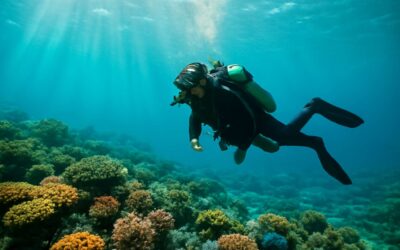
Depth speaks softly, a patient tutor. “Depth is the quiet teacher,” a veteran mentor likes to murmur, and in scuba diving 18 meters the sea teaches with color and cadence. Every glide becomes a stanza, and I count bubbles as deliberate beats.
Here, marine ecology unfolds in microcosm: plate corals, feather-like gorgonians, and curious nudibranchs tucked along ledges. South Africa’s reefs—from KwaZulu-Natal’s shelves to Protea Banks—offer a theatre where life threads through light and shadow for the attentive diver.
- Schooling reef fish trace the ledge in silver arcs
- Nudibranchs flash color in crevices like living gems
- A shy moray peers from a shadowed hole
The reef’s tempo guides your glide, a balm against haste and a chorus against monotony.


0 Comments